
The Experiments That Should Be Run
An Introduction to Cosimo's Research Programs

In general, science is high effort.
Each finding must be earned. In order to uncover one little tidbit of knowledge, it is usually necessary to coordinate and measure a carefully planned set of circumstances. Doing this well is harder than it looks.
For example, in order to get the evidence that mouth taping can increase REM sleep time by 5 minutes, our study participants had to spend a total of 1300 nights following randomized taping assignments. Although experiment designers can take advantage of certain natural circumstances, such as the fact that many people already own sleep trackers, it still requires significant effort to coordinate participants and organize data collection, even for a relatively simple study.
The reward for such effort is that afterwards, whatever the outcome, we have added a unit of knowledge to the world. Step by step, these experimental results build on each other and bring us towards a more satisfying understanding.
Science doesn’t only consist of experimentation, but experiments are one of the most powerful scientific tools.
Geology, theoretical physics, paleontology, astrology, and economics are also within the realm of science, typically without involving controlled experiments. Much insight about the natural world can be gained from observation, noticing and quantifying patterns.
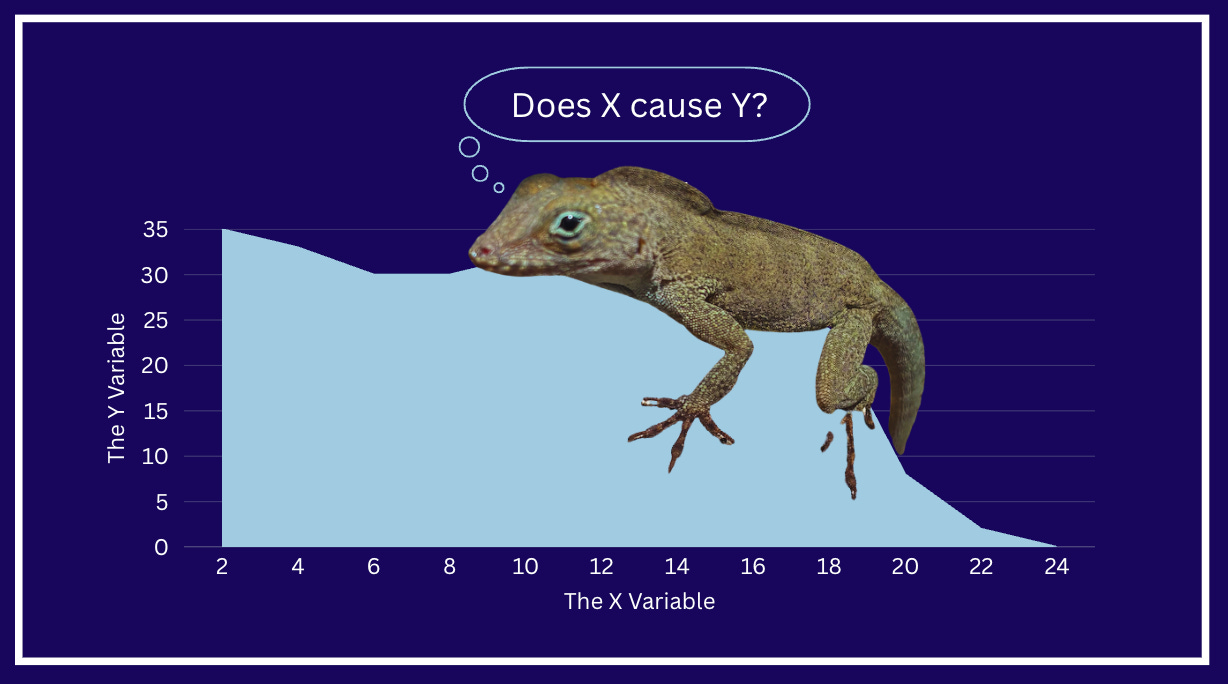
But experiments are a special tool of science. An experiment also involves observing natural phenomena, but the circumstances are purposefully arranged to reveal something. The power lies in the ability to make causal inferences from experimental results – that is, to infer that X causes Y. It shows us exactly how we can act upon a lever to change an outcome.
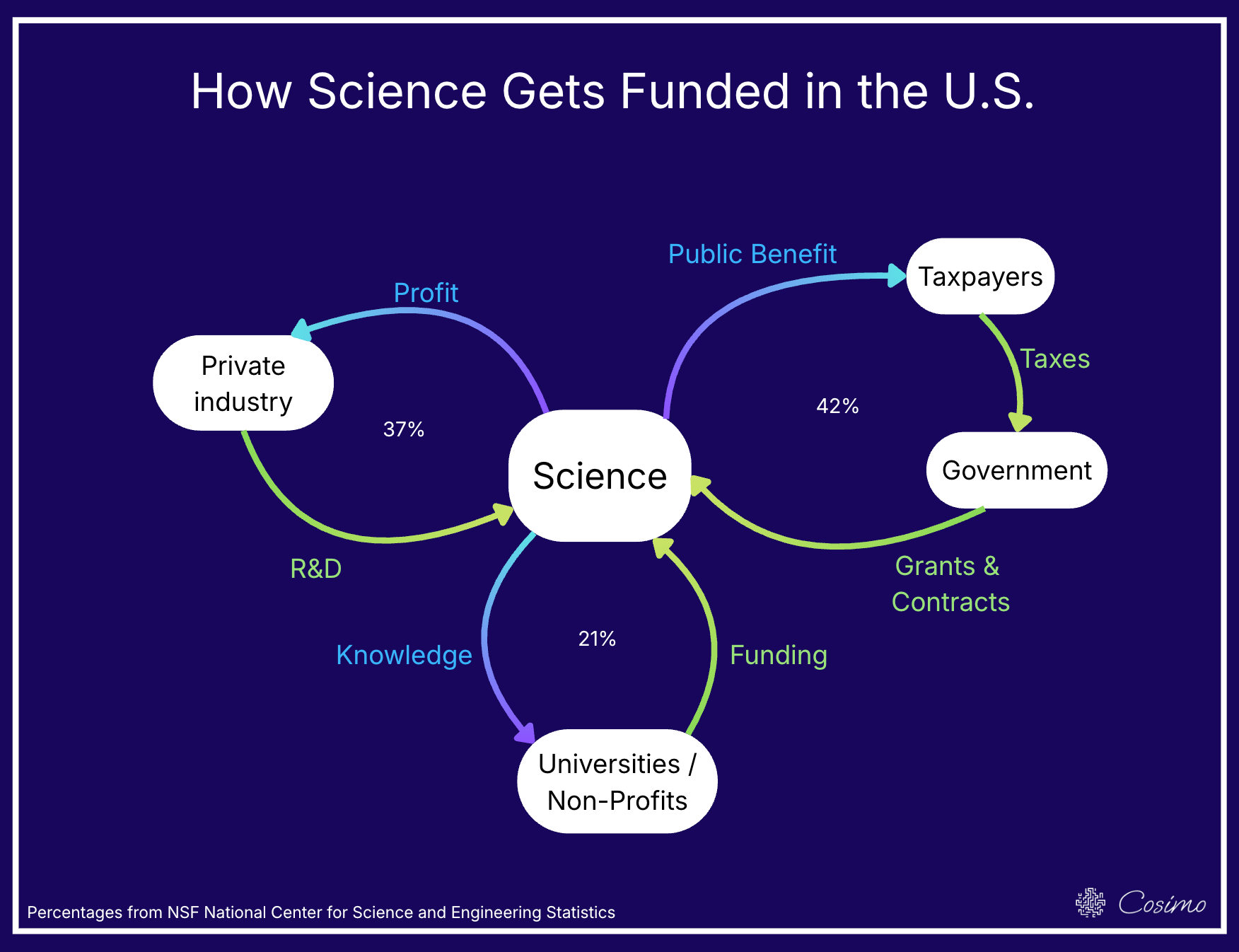
Despite experiments’ high effort requirements, and sometimes disappointing results (i.e. “X doesn’t cause Y, and we still don’t know what does cause it”), society still invests heavily in experimentation. Like in venture capital, if 1 in 100 investments is hugely successful, the endeavor is profitable. Regardless, the journey of scientific exploration is valuable in itself.
Some interesting questions are not studied scientifically as much as they should be.
Sometimes it’s because the topic doesn’t fit in well with any existing federal grant programs or institutional initiatives. Other times it’s because the knowledge cannot be commercialized – or at least, not to the extent that it would be worth funding the research.
Mouth tape is cheap and accessible, and not of high urgency to most grant programs, which tend to focus on treating disease rather than enhancing healthy people. Potato diets are also cheap and unpatentable. Vabbing is free, and too silly for academia.
These topics do not get studied in proportion to how much they interest people. People do want to know whether the popular claims that they hear are true, as evidenced by the copious amounts of causal experimentation discussed on Reddit, YouTube, TikTok, etc. From the skincare subreddit with 900k weekly visitors to the millions of listeners of the Huberman Lab podcast, the appetite for evidence-based guidance on everyday life is enormous and largely unmet. There simply isn’t a clear organizational mechanism to support this kind of research and bring it to the next level.
We are here to add a layer of scientific rigor to these understudied areas. Our three research programs address topics that tend to lack scientific experimentation:
Biohacking Science
Attraction Science
Cultural Science
Biohacking Science
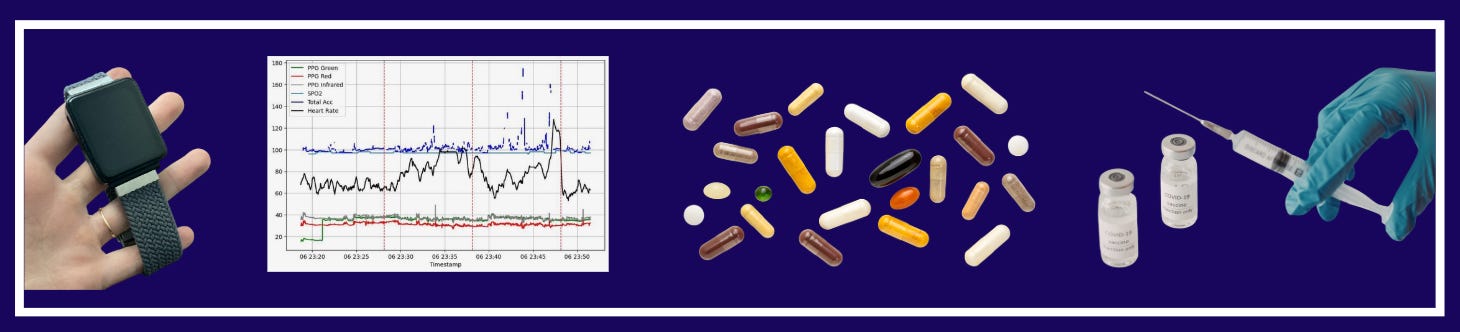
Biohacking is the optimization of human performance. Although it is related to traditional medicine, biohackers go beyond basic health to maximize their body’s well-being, longevity, and output.
They are often the first to try new protocols, from ice baths and VO2 max training to injectable peptides and genetically-modified bacteria. These treatments tend to be understudied either because there is limited profit to be made from an easily accessible treatment, or because grant programs prioritize treating severe illnesses over enhancing healthy people.
Our most recent study on mouth taping falls squarely into the Biohacking Science category. Mouth taping is a popular method for improving sleep quality via encouraging nasal breathing.
We asked hundreds of participants to follow randomized taping assignments for 30 nights, sharing their sleep tracker metrics with us, and tracking participation via daily surveys and reminders. Despite being decentralized, this randomized controlled study has so far achieved accumulating over 1,300 participant-nights of sleep data.
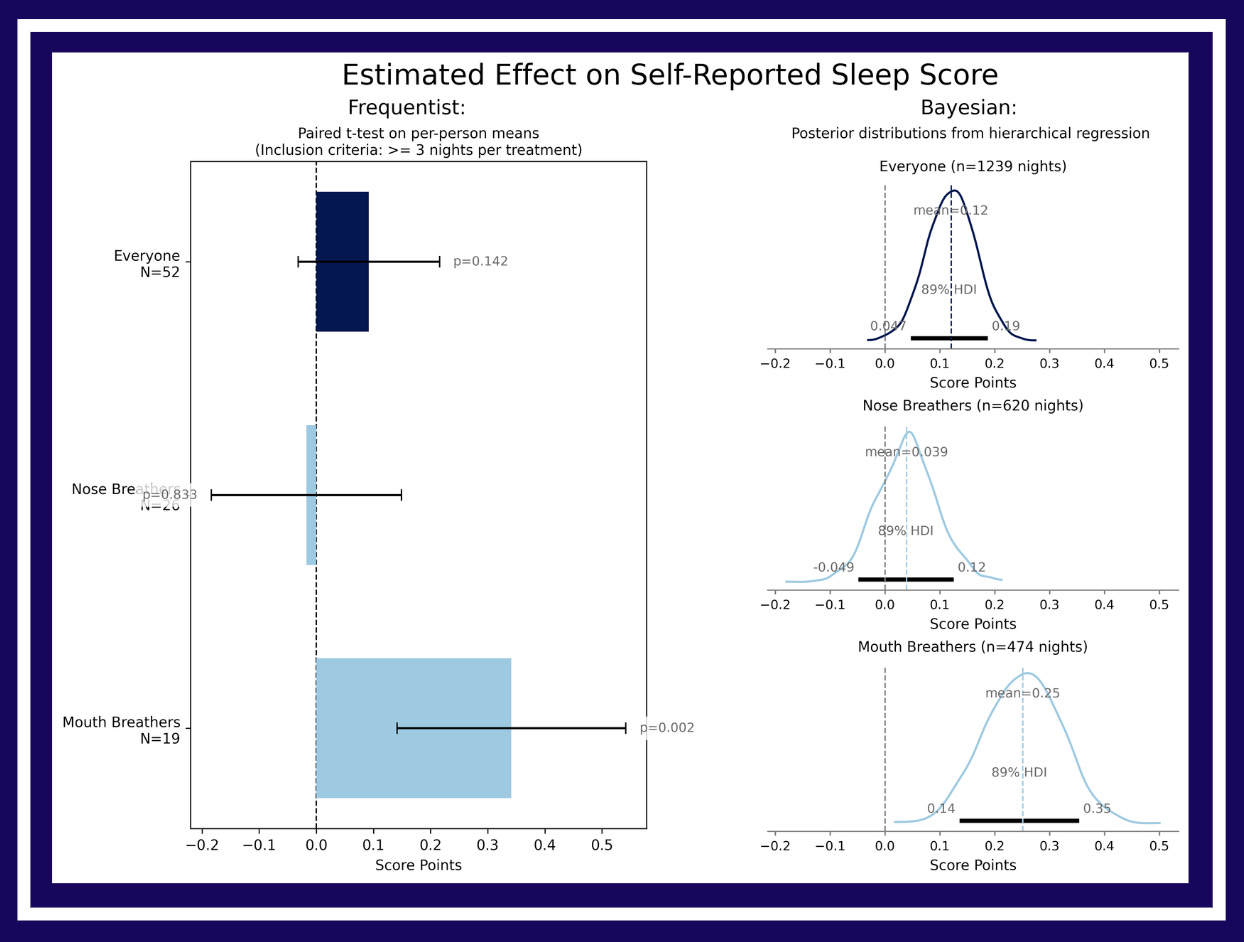
All of the participants received a personalized results report upon completion to find out how mouth taping impacted them personally, and we were simultaneously able to combine these n-of-1 experiments into population-level research. This study is ongoing and you can still join it here!
Future Biohacking Science studies include:
Do improvements in sleep metrics (e.g. increased REM time) actually result in higher performance during the day? And if so, how large of an improvement results in a meaningful effect?
What level of water intake is optimal, accounting for size, exercise levels, and environmental factors? Does tracking and meeting recommended hydration levels provide benefits beyond just drinking when thirsty?
Does cold water exposure help improve day-to-day energy and focus? In particular, can benefits be achieved with a simple cold shower rather than a cold plunge?
Many of these studies can be executed as scalable n-of-1 protocols, using similar tools and processes as our mouth taping study.
Attraction Science
Another area where popular but untested advice abounds is in dating and relationships. People want to enhance their attractiveness and experience great romantic and sexual relationships.
There is no shortage of non-scientific advice, and much of it is very good and based on millennia of wisdom. However, a scientific approach may be complementary to common knowledge, and it may be especially useful in revealing what is counterintuitive.
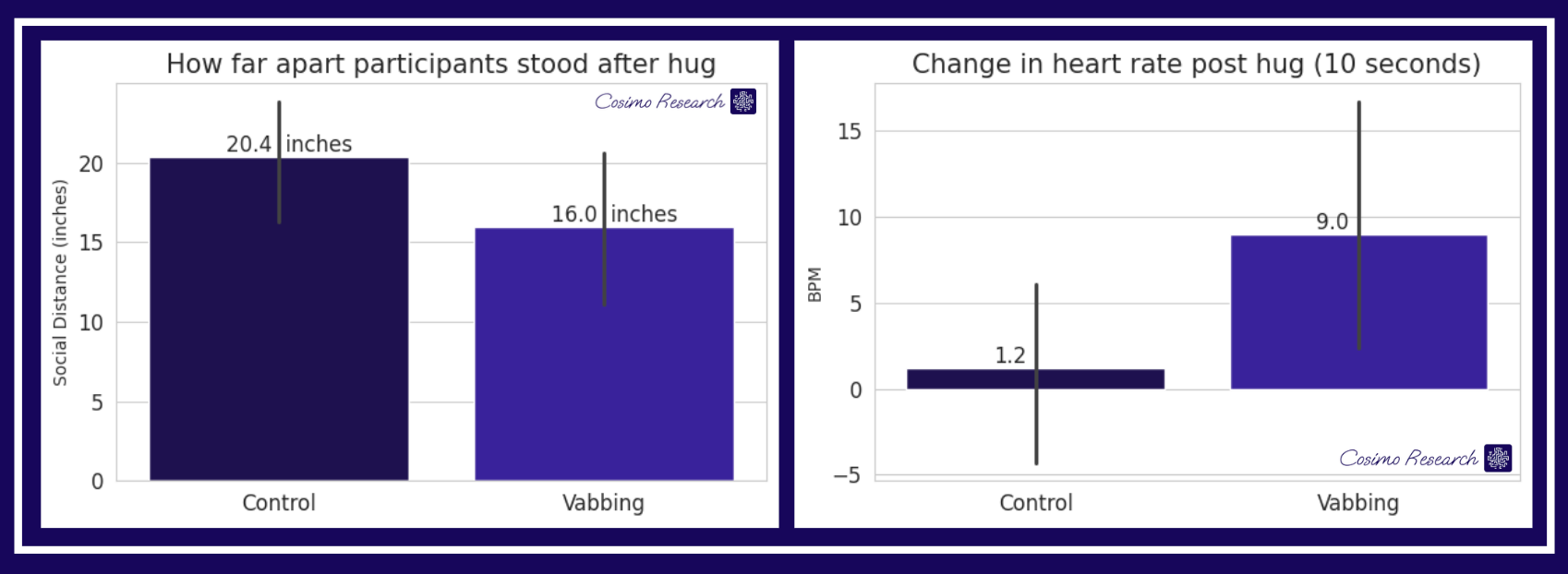
We have already conducted some novel research in this area. Our study about vabbing (the application of vaginal fluid as perfume to attract men) was the first scientific investigation into its efficacy. In our small, randomized, controlled, and participant-blinded study, we found that males stood closer to women who had vabbed by about 4 inches on average, and that their heart rates increased significantly after hugging a vabbed woman compared to a non-vabbed woman.
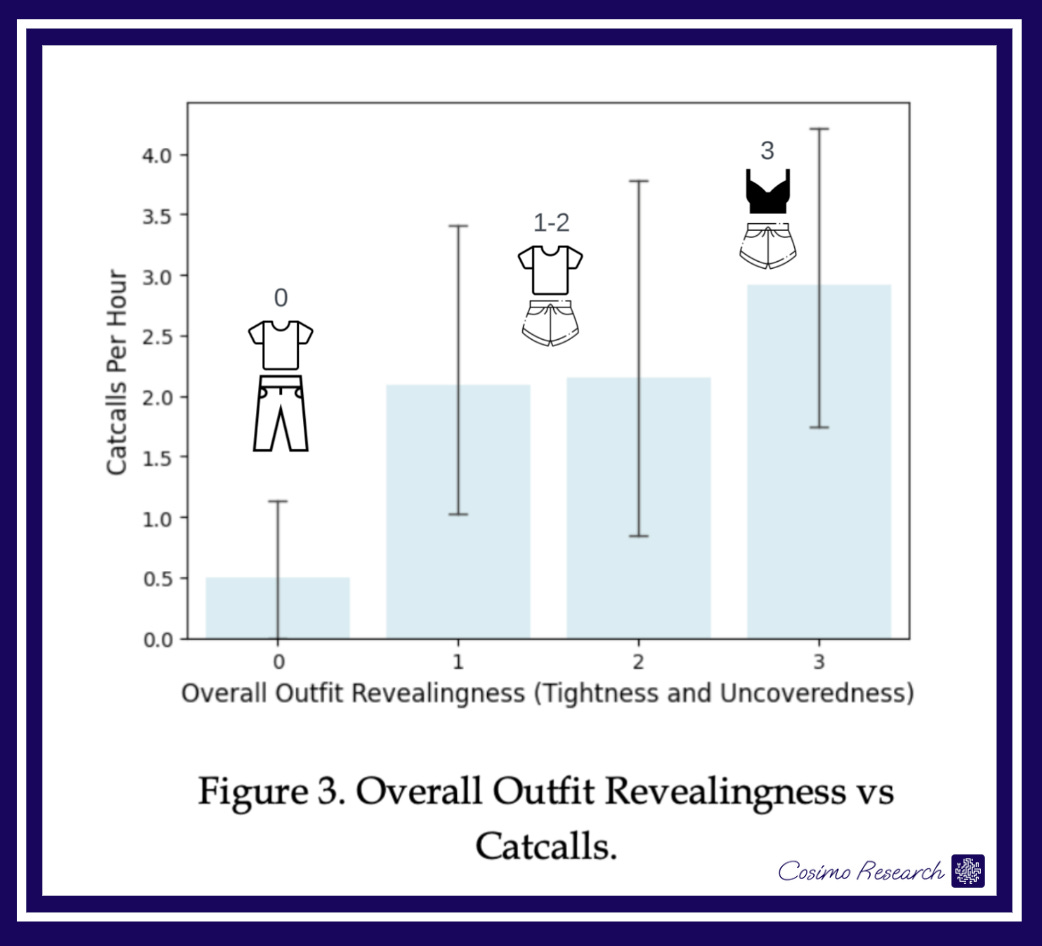
We also conducted the first scientific study on whether more revealing outfits result in more catcalling. Across 25 hours of walking data, we discovered that the most revealing outfits received 6 times as many catcalls as the least revealing outfits.
Future Attraction Science studies include:
Are oysters truly an aphrodisiac?
What would a nationally representative survey of male sexual experience reveal? This has never been studied with the rigor that e.g. Herbenick et al, 2018 brought to female pleasure categorization.
Can AI-written messages outperform human flirting on dating apps? (“Cyrano de Bergerac study”)
Cultural Science

Beyond biohacking and attraction, there are popular beliefs and cultural assumptions that don’t fit neatly into either category but are equally deserving of rigorous testing. Our Cultural Science program is a catch-all for these questions. We test beliefs that have spread through culture without being properly examined.
For example, last year we ran a study on “alcohol-induced peak performance,” where we investigated the hypothesis that certain task performance may improve at a low level of alcohol intake. Participants solved math problems at various levels of inebriation while partially blinded to exactly how much they had ingested at each time. Unfortunately, with only 13 participants, our sample was too small to draw conclusions, but the study laid the groundwork for a larger follow-up.
Future Cultural Science studies include:
Is there a true difference in the effects of indica vs sativa strains of marijuana? To what extent do our expectations shape the experience of a mind-altering substance?
Do classical rhetorical devices (e.g. Cicero's tricolon, antithesis) actually make arguments more persuasive?
How does clothing affect perceived professional trustworthiness, and which specific elements of an outfit matter most?
Some of these topics may sound frivolous. Why does maximizing REM sleep matter when people are suffering from cancer? Why should we go to the trouble of running experiments on dating advice or the effects of recreational substances?
These research programs matter because people want to understand them.
These are questions that millions of people are actively making decisions about every day without good evidence. People are already taping their mouths, already choosing between strains, already following dating advice from strangers on the internet. These popular questions deserve more rigorous evidence.
And beyond utility, the satisfaction of curiosity is itself a profound and worthwhile pursuit. It is a fundamental aspect of human nature, the act of asking questions and seeking answers that has propelled our species forward, even when we don’t foresee the application.
We have some initial ideas that we’d love your input on.
In the coming weeks, we’ll be publishing the details of selected experiments in these categories. We’ll discuss the context, why existing research is limited, why the study question matters, and outline how we’d run it.
All of these outlines are designed for serious implementation, and they are experiments that we are prepared to run. Let us know what you’d like to see first!
And if you’ve got a burning curiosity about one of these questions, consider becoming a patron. Cosimo patrons commission the study they want to see done and actively participate in the fun parts of the scientific process while we handle the logistics and statistics. Send us an email or fill out this form to learn more.
I love what you guys are doing. The vabbing study was fascinating. Just a suggestion: It would be great if you could also help people who want to run their own non-institutional studies, and maybe solicit ideas for studies they'd like to see you run (it sounds like the feedback you'll be soliciting is limited to ideas that you've generated yourselves).